A memorable dinner rarely depends on complicated techniques. More often, it begins with an excellent ingredient, a thoughtful menu, and a table that invites everyone to linger. Seafood is especially suited to this approach.
The secret is to plan backward from the experience you want to create. Will guests enjoy cracking shells and sharing platters, or would they prefer a neatly composed plate? Those decisions shape the shopping list, cooking method, and amount of preparation required before anyone arrives.
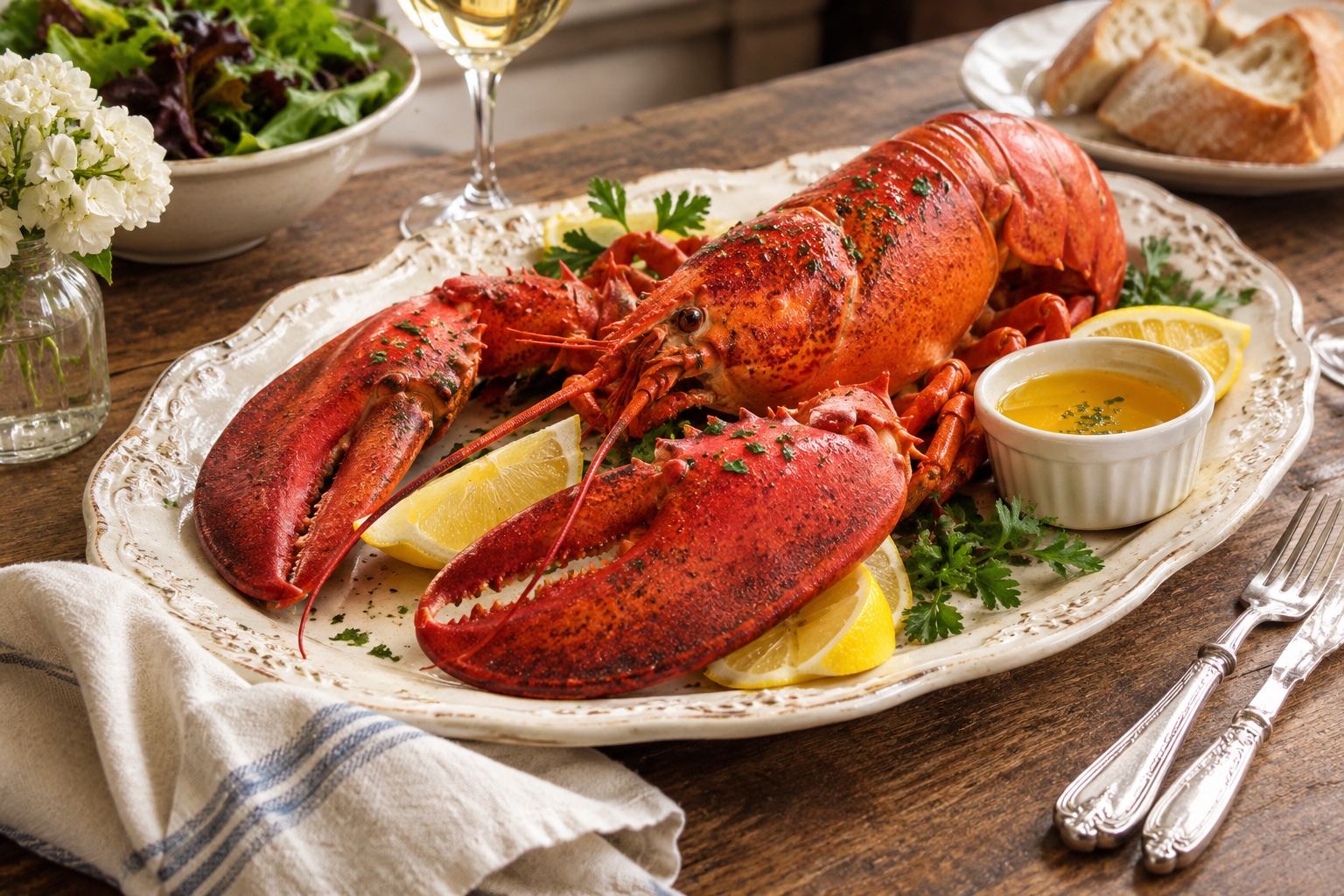
For a centerpiece that feels festive without demanding elaborate sauces, lobster is a classic choice. Before you buy lobster, consider whether whole shellfish, individual tails, or cooked meat best suits your menu. Whole specimens make an interactive feast, tails offer tidy portions, and cooked meat works beautifully in a starter or delicate pasta. Choosing the format first keeps the rest of the meal manageable.
Build the Menu Around One Highlight
Resist the temptation to serve several rich courses. A light opening salad with fennel, orange, and tender greens introduces freshness without competing with the main dish. Follow with seafood prepared simply, then finish with berries, poached pears, or a small citrus dessert.
A small bowl of salt and a few fresh herbs let each person customize the meal without hiding the ingredient itself. Choose accompaniments for contrast. New potatoes tossed with parsley provide comforting substance, while asparagus, green beans, or roasted carrots offer color and a gentle crunch. Keep portions moderate and favor dishes that can be prepared ahead, freeing you to attend to the centerpiece.
Shop With Freshness and Timing in Mind
Good results begin well before the stove is heated. Ask a reputable fishmonger about origin, handling, available sizes, and whether the seafood is sold live, previously frozen, or fully cooked. For live shellfish, discuss safe transport and prompt preparation. For frozen products, check packaging integrity and follow the seller's instructions for refrigerator thawing. Never leave seafood sitting on the counter to defrost.
Plan quantities around the serving style rather than appearance alone. Shells contribute considerable weight to whole seafood, so the amount purchased will not equal the edible portion. Ask the seller for a realistic yield estimate and allow a little flexibility for appetites.
Let Gentle Cooking Preserve the Flavor
Seafood rewards attention more than elaborate seasoning. Prepare herbs, lemon wedges, softened butter, and serving dishes before cooking begins. A simple mixture of melted butter, lemon zest, and finely chopped chives offers fragrance without overwhelming natural sweetness.
Steaming is a practical method for whole shellfish because the moist heat is relatively gentle. Tails can be steamed, baked, or broiled, depending on their size and the presentation you prefer. Exact cooking times vary, so use reliable instructions for the product and check doneness carefully. The flesh should become opaque and firm rather than dry or rubbery; for food safety, cook shellfish to an internal temperature of 145°F.
If making a pasta dish with precooked seafood, add the meat near the end, just long enough to heat it through. A sauce of olive oil, shallots, a splash of pasta water, and fresh parsley keeps the finished dish lively. Excessive boiling or prolonged reheating can turn tender pieces tough, so have every other component ready before adding them.
Make the Table Feel Personal
If guests attend, ask about allergies and dietary needs in advance. That courtesy helps avoid last minute substitutions and ensures everyone relaxes at the table. Presentation can be lovely without becoming fussy. Use a wide platter with lemon halves and scattered herbs, or arrange individual portions on warmed plates. Linen napkins and a simple vase of flowers create a softer atmosphere than elaborate decorations. Place shell crackers, picks, extra napkins, and a bowl for discarded shells within easy reach when serving whole seafood.
For drinks, offer chilled sparkling water with citrus alongside any wine. A crisp, unoaked white can complement buttery seafood, but a refreshing nonalcoholic option deserves equal attention. Hospitality comes from comfort and ease, not a crowded display.
Keep the Preparation Calm
A little organization makes the occasion more enjoyable for the cook. Wash greens, mix the dressing, set the table, and prepare dessert earlier in the day. Chill perishables promptly and keep raw seafood separate from ready to eat foods. Shortly before dinner, warm the plates, arrange garnishes, and bring the cooking water or oven to the appropriate temperature.
When comparing options for a special meal, decide how much hands-on preparation suits your schedule before you buy lobster. Ready cooked meat may save valuable time, while whole shellfish creates a theatrical shared experience. Neither choice is inherently more elegant. The best one allows the host to cook confidently and join the conversation instead of disappearing into the kitchen.
Finish With Thoughtful Details
Serve the main course as soon as it is ready. Warm butter should be available at the table, while lemon adds brightness for guests who prefer a lighter finish. Encourage everyone to season their portion individually, since some diners enjoy the pure seafood flavor and others welcome extra herbs or citrus.
Save the most elaborate effort for moments guests will actually notice. Freshly folded napkins, properly chilled drinks, and a welcoming greeting matter more than complicated garnishes. Clear used dishes between courses, but avoid rushing anyone who wants to linger over a final bite or an interesting conversation.
After dinner, refrigerate leftovers promptly in shallow containers and use them within recommended food safety timelines. Remove edible meat from shells when practical, then reserve it for a chilled salad or a simple lunch the following day. Thoughtful storage protects both quality and the pleasure of a second meal.
An elegant dinner is ultimately a balance of good ingredients and generous hospitality. With a clear menu, gentle cooking, and a little advance planning, seafood can feel special without feeling intimidating.
The simplest gestures often matter most. The most memorable part may not be the centerpiece itself, but the unhurried time spent enjoying it together.